2026-10-02 · 8 min read · Candlewood Lake
Who Actually Controls the Shoreline Behind a Candlewood Lake Home?
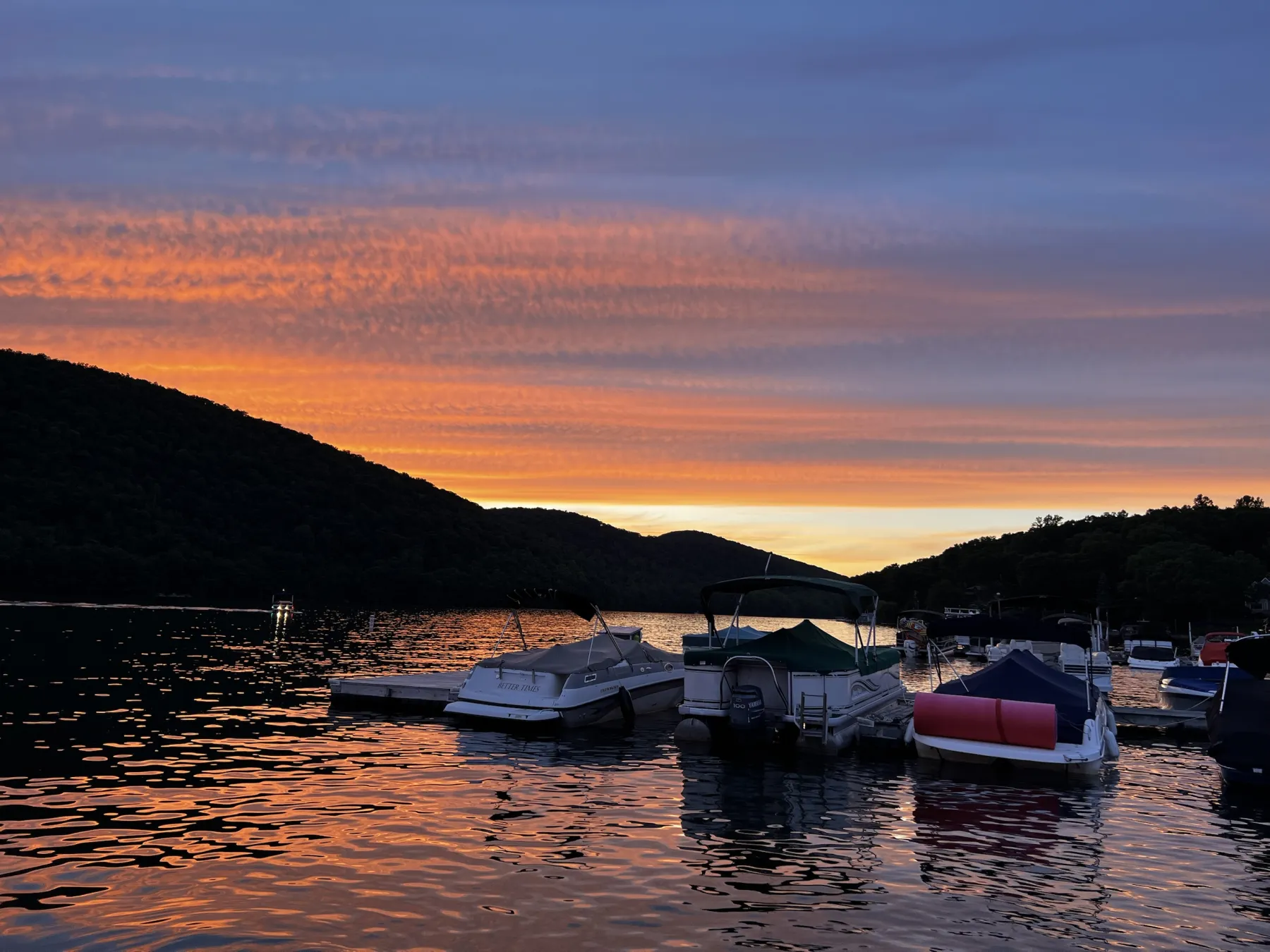
Who controls the shoreline on Candlewood Lake?
Four different bodies each control a piece of it. FirstLight Power owns the lake and the land below a line called the Rocky River Project Boundary. The Candlewood Lake Authority manages overall stewardship of the lake. Your town enforces wetlands and zoning rules. CT DEEP approves swim areas and navigational markers. A homeowner who wants to change anything near the water may need a yes from more than one of them, and the order matters.
Chelsea Stinson is a Connecticut Lake Specialist with Lake Homes Realty helping waterfront buyers and sellers across Candlewood Lake, Lake Lillinonah, Lake Zoar, and Bantam Lake make confident, well-informed decisions on the water. On every Candlewood property she looks at, the first question is not the view. It is who has the authority over the strip between the house and the water.
Where does your property actually end?
This is the part most buyers get wrong. The Candlewood Lake Authority states that approximately 95 percent of waterfront owners own down to the Rocky River Project Boundary, but not below it. The boundary is often called the 440-foot line, and the Authority is clear that it does not follow the 440-foot elevation line in all areas. The only way to know where it runs on a specific lot is to hire a surveyor to locate it officially.
That has a practical consequence. The lawn, the dock path, and the bank can all be a mix of land you own and land you do not, and a listing photo or a seller's description will not tell you which is which. If the line matters to what you plan to do, get it located before you rely on it. The dock side of this question has its own article: does a Candlewood Lake dock permit transfer with the property.
What needs FirstLight's approval?
The Authority lists the work that needs FirstLight's approval below the project boundary:
- Cutting trees
- Clearing vegetation
- Building or modifying a seawall
- Building retaining walls
- Adding sheds or other structures
- Modifying a dock
The process starts with FirstLight's shoreline permit portal, and then you seek approval from your town. The order is the thing people miss. A town approval alone does not cover work below the boundary, and a FirstLight approval alone does not replace what the town requires.
What does your town control?
The Authority points out that properties within 200 feet of the lake fall inside an inland wetlands review zone, so regulated activity there needs a local permit. In practice that means the town's inland wetlands or environmental commission. Each of the five Candlewood towns, New Milford, Brookfield, New Fairfield, Sherman, and Danbury, runs its own process, so what is routine in one town may take longer in the next.
What does CT DEEP control on the water?
CT DEEP approves designated swim areas and navigational markers. That includes the Slow No Wake and hazard markers you see on the water. Unpermitted moorings are subject to removal by FirstLight. If a property comes with a swim area, a mooring, or a marker out in front of it, ask for the permit instead of taking the seller's word that it is allowed. The rules you operate under once you are on the water are covered in the Candlewood Lake boating rules for buyers.
In what order do the approvals happen?
Based on how the Authority lays it out, the order for work near the water runs like this:
- Locate the line. Have a surveyor locate the Rocky River Project Boundary on your lot.
- Decide which side the work is on. Anything below the boundary needs FirstLight. Anything above it may still be subject to your town.
- Apply to FirstLight. The application goes through FirstLight's shoreline permit portal.
- Apply to your town. Within 200 feet of the lake that means the inland wetlands or environmental commission.
- Add DEEP only if it applies. A swim area or a navigational marker goes through CT DEEP, not through FirstLight or the town.
Treat this as the shape of the process, not a legal checklist. Each body has its own forms and timelines, and the person who knows the current ones is the one you should ask.
What does this look like in practice?
Here is an illustrative example, not a client story. A buyer loves a house but wants the view opened up, so the plan is to cut several trees on the bank and replace a failing retaining wall. Both pieces of work sit below the project boundary. The buyer learns after closing that each needs FirstLight's approval, and then the town's. A buyer who asked in the first week would have known to price in the time, the surveyor, and the permit, and could have used all of it in the negotiation.
How does this change if you are selling?
A seller who already holds the approvals for the dock, the seawall, and any clearing hands a buyer a clean file, and that is one less thing for a buyer's inspection period to turn into a negotiation. A seller who does not should find out before the home is listed, not when an offer arrives. The approvals are part of what a lake home is worth, which is why they belong in the pricing conversation from the start.
What mistakes do buyers and sellers make?
- Assuming the deed runs to the water. For most Candlewood waterfront it stops at the project boundary.
- Taking a seller's word for past work. A seawall, a cleared bank, or a new shed below the boundary should come with an approval. If it does not, you may be buying a correction.
- Doing the work first and asking later. Skipping approval risks required mitigation or legal action, which is a bad trade for a bank that looked tidier.
- Forgetting the 200-foot wetlands zone. A project can clear FirstLight and still need the town.
- Treating a survey as optional. When a decision depends on the line, the survey is the only answer that holds up.
How should you use this before you make an offer?
Ask four things on any Candlewood property. Where does the project boundary run on this lot, according to a survey? What shoreline work has been done, and where are the approvals? Are there any moorings, swim areas, or markers, and who permitted them? And is anything in progress that would need an approval that has not been issued?
The 37-question lakefront checklist covers related ground, including easements, encroachments, and recreational restrictions, and it is worth running alongside these four. For a seller, the same list is the starting point for the Equity step, because the first job in selling a Candlewood home is knowing exactly what you have to sell. Pricing a lake home starts there too, as laid out in selling your lake home.
Where to go from here
Rules and processes change, so confirm current requirements with FirstLight, the Candlewood Lake Authority, and your town before you plan any work. The way a buyer works through all of this in order is laid out on how we help you buy, and when you want a second set of eyes on a specific property, get in touch with Chelsea.
Frequently Asked Questions
Do I own my shoreline on Candlewood Lake?
Most waterfront owners own down to the Rocky River Project Boundary but not below it. FirstLight Power owns the lake and the land below that boundary.
Is the Rocky River Project Boundary the same as the 440-foot line?
It is often called that, but the Candlewood Lake Authority says it does not follow the 440-foot elevation line in all areas. A surveyor has to locate it on a specific lot.
Can I build a seawall or a shed near the water on Candlewood Lake?
Below the project boundary you need FirstLight's approval, and then your town's. Within 200 feet of the lake you may also need a local inland wetlands permit.
Who approves a swim area or a navigational marker on Candlewood Lake?
CT DEEP approves designated swim areas and navigational markers.