2026-10-10 · 9 min read · Brookfield
Is Brookfield Bringing Sewers to the Candlewood Lake Peninsula? What the Town Has Published, and What It Hasn't
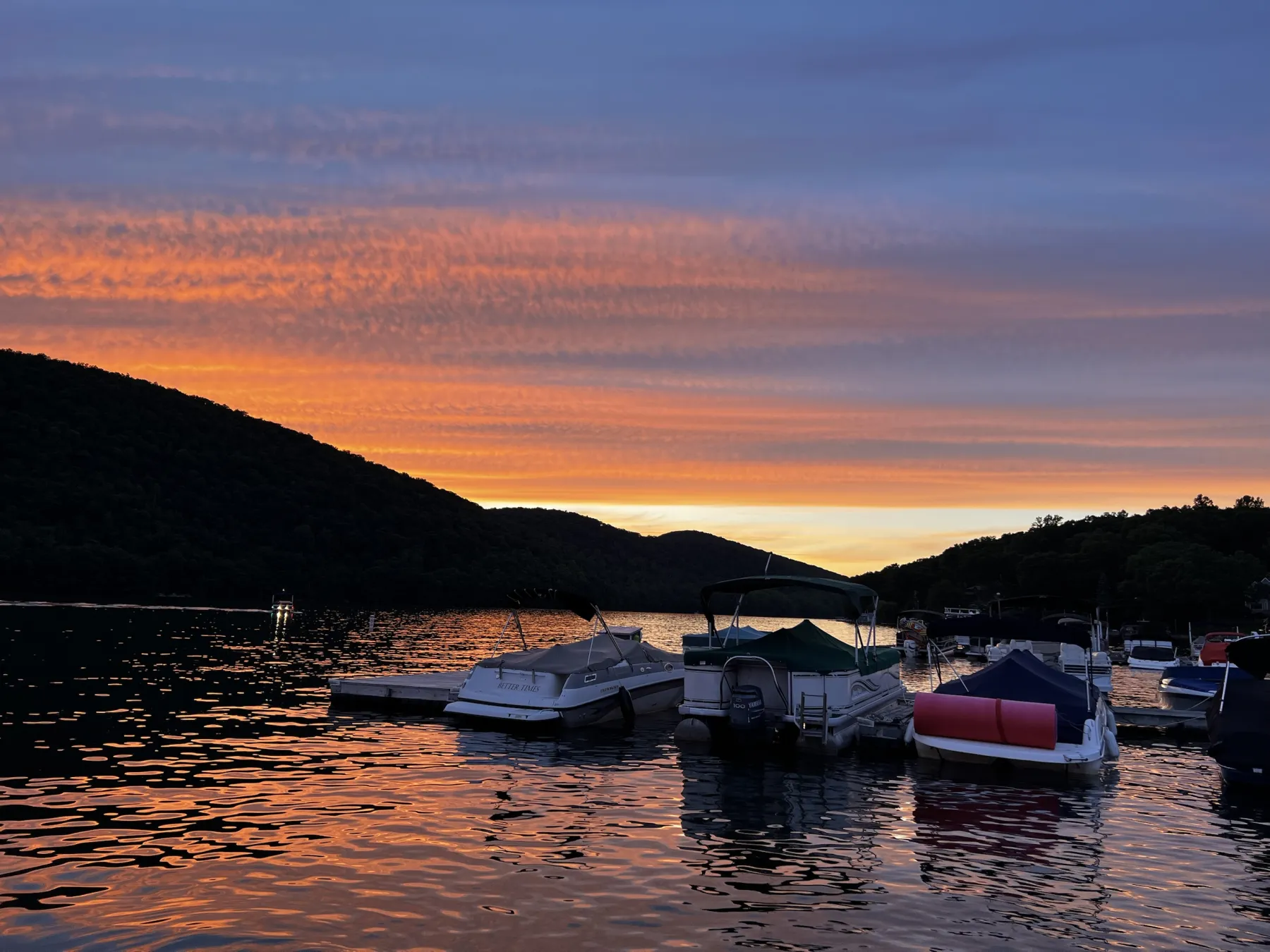
Is Brookfield planning sewers for the Candlewood Lake peninsula?
The short answer: Brookfield's Water Pollution Control Authority has studied the idea since 2018 and hired an engineering firm in 2021, but the project page does not state that construction is approved. It also does not give a cost to homeowners or say whether connecting would be required. Those three gaps are the whole story for anyone buying or selling near the lake in Brookfield.
Chelsea Stinson is a Connecticut Lake Specialist with Lake Homes Realty helping waterfront buyers and sellers across Candlewood Lake, Lake Lillinonah, Lake Zoar, and Bantam Lake make confident, well-informed decisions on the water. This guide sticks to what the town has actually published, marks where the record stops, and lists the questions worth asking before you rely on a rumor in either direction.
Why did the town start looking at septic systems near the lake?
The project page traces it to January 2018, when the Town Sanitarian and Director of Health wrote a letter recommending sewers for the Candlewood Shores peninsula. The page cites nutrients from septic drain fields feeding algae blooms in the lake as a concern. A homeowner survey followed, and the page reports 575 participants in the septic survey.
The town's reasoning concerns water quality and public health, so it is a different conversation from the one about whether a given house has a working septic system today. A system can pass every check and still sit inside a study area, which is why buyers ask both questions.
Which neighborhoods did the 2018 recommendation name?
The page lists the Candlewood Shores Tax District, Arrowhead Point, Hickory Hills, and Candlewood Orchards. It also says the engineering firm hired in December 2021, CDM Smith, was asked to develop plans for the Candlewood Lake area and for the Dean and Pocono Road area, without giving further detail on the second one.
If you are looking at a home in Brookfield near the water, check whether the street falls inside the study area before you assume anything. The Brookfield hub covers the town's lake neighborhoods, and the WPCA is the office that can say whether a specific address is in scope.
How has the project moved over time?
Here is the timeline the town lists:
- January 2018: the Town Sanitarian and Director of Health recommends sewers for the peninsula.
- December 2018: the town hires Lombardo and Associates for the study.
- December 2021: the town hires CDM Smith to develop engineering plans.
- September 14, 2022: public informational hearing.
- November 13, 2023: additional public hearing on the CDM Smith study.
- June 26, 2024: survey results presentation.
The most recent entry on the page is June 2024, and the page does not say what has happened since. Treat anything newer as unconfirmed until the WPCA confirms it.
How is the planning being paid for?
The page says CT DEEP agreed to fund the $1,500,000 project at 55 percent through the Clean Water Fund. The remaining 45 percent comes as a loan from the WPCA, to be repaid when the project is funded by a bond. The page says that approach saves Brookfield over $500,000 compared with the conventional 20 percent construction grant.
That figure covers planning and engineering, not construction. Nothing on the page translates it into a cost for a homeowner, so any number you hear in a conversation about what a property owner would pay needs a source behind it.
What has the town not published?
Four things are missing from the project page, and each one changes how a buyer or seller should think:
- How many properties are involved. The only count on the page is the 575 survey participants.
- What a homeowner would pay. The page gives no assessment or connection cost.
- Whether connection would be mandatory. The page does not say.
- Where the project stands now. The last dated event is June 2024.
A forum post can sound certain about any of these. The town's page does not, and a careful buyer follows the town.
What should a buyer ask about a Brookfield lake home?
Start with the WPCA. Ask whether the address sits inside the study or engineering area, what the current status is, and whether any notice has gone to property owners. Ask for the answers in writing, since an email is something you can hand to your attorney.
Then ask the seller for the septic records: the last pump-out, any repair permits, and any inspection reports. The lakefront inspection checklist covers where a septic evaluation fits among the other lake-specific checks, and the 37 questions to ask before you buy a lake home puts the money questions in one place. If a future assessment could matter to your decision, ask your real estate attorney how it would be handled at closing, because the contract terms control the answer.
What should a seller do if the street is in the study area?
Find out what the town has told property owners, and gather your own septic paperwork before a buyer asks for it. A seller who can hand over pump-out receipts and a clear statement of what the town has published looks prepared, while a seller who guesses at costs invites a renegotiation.
Do not predict what sewers would do to a price. Nobody can point to a published figure for that, and a confident guess from a listing agent is a sales line, not an analysis. If you want to talk through how a study area affects your plan, selling your lake home explains how the pricing conversation works.
What mistakes do people make with a sewer project?
- Assuming sewers are coming. The page lists studies, engineering, and hearings. It does not state that construction is approved.
- Assuming they are not. The engineering contract and the 2024 survey presentation show the town is still working on it.
- Repeating a cost from a neighbor. The town's page has no homeowner cost, so the number is a guess.
- Skipping the septic records. A project in the study phase does not replace knowing the condition of the system you would own.
- Calling the wrong office. This is a Brookfield WPCA project, so the town is the first call.
What does this look like in practice?
Here is an illustrative example, not a client story. A buyer falls for a Brookfield home near the water and hears from a neighbor that sewers are coming next year. The buyer who writes to the WPCA first learns what the town has published and what it has not, and walks into the inspection period with real questions. The buyer who repeats the neighbor's timeline is negotiating on a rumor.
The buying process is built to catch this early. In the Educated step, town-level questions like this one are covered before you tour, so nothing about the lake neighborhood surprises you at closing.
Where to go from here
Confirm every date and figure above with the Brookfield WPCA before you rely on it, because project pages go out of date. For the rest of the Brookfield picture, see the Brookfield hub, buying in Brookfield, and the Candlewood Lake real estate guide. To see how the whole purchase runs from first call to closing, read how Chelsea guides a lake purchase, or get in touch when you are ready to talk through a specific home.
Frequently Asked Questions
Is Brookfield putting sewers on the Candlewood Lake peninsula?
The town's Water Pollution Control Authority has studied it since 2018 and hired CDM Smith for engineering plans in December 2021. The project page does not state that construction is approved, so confirm the current status with the WPCA.
Which Brookfield neighborhoods were named for sewers?
The 2018 recommendation named the Candlewood Shores Tax District, Arrowhead Point, Hickory Hills, and Candlewood Orchards. The engineering contract also covers the Dean and Pocono Road area.
Would connecting to a Brookfield sewer be mandatory?
The town's project page does not say, and it does not give a cost to homeowners. Ask the WPCA in writing before assuming either way.
Who is paying for the Brookfield sewer planning?
The project page says CT DEEP agreed to fund the $1,500,000 planning and engineering project at 55 percent, with the remaining 45 percent a WPCA loan repaid when the project is funded by a bond.